
Blog
Vitamin C Serum: Benefits, Uses & Why It Deserves a Place in Your Skincare Routine
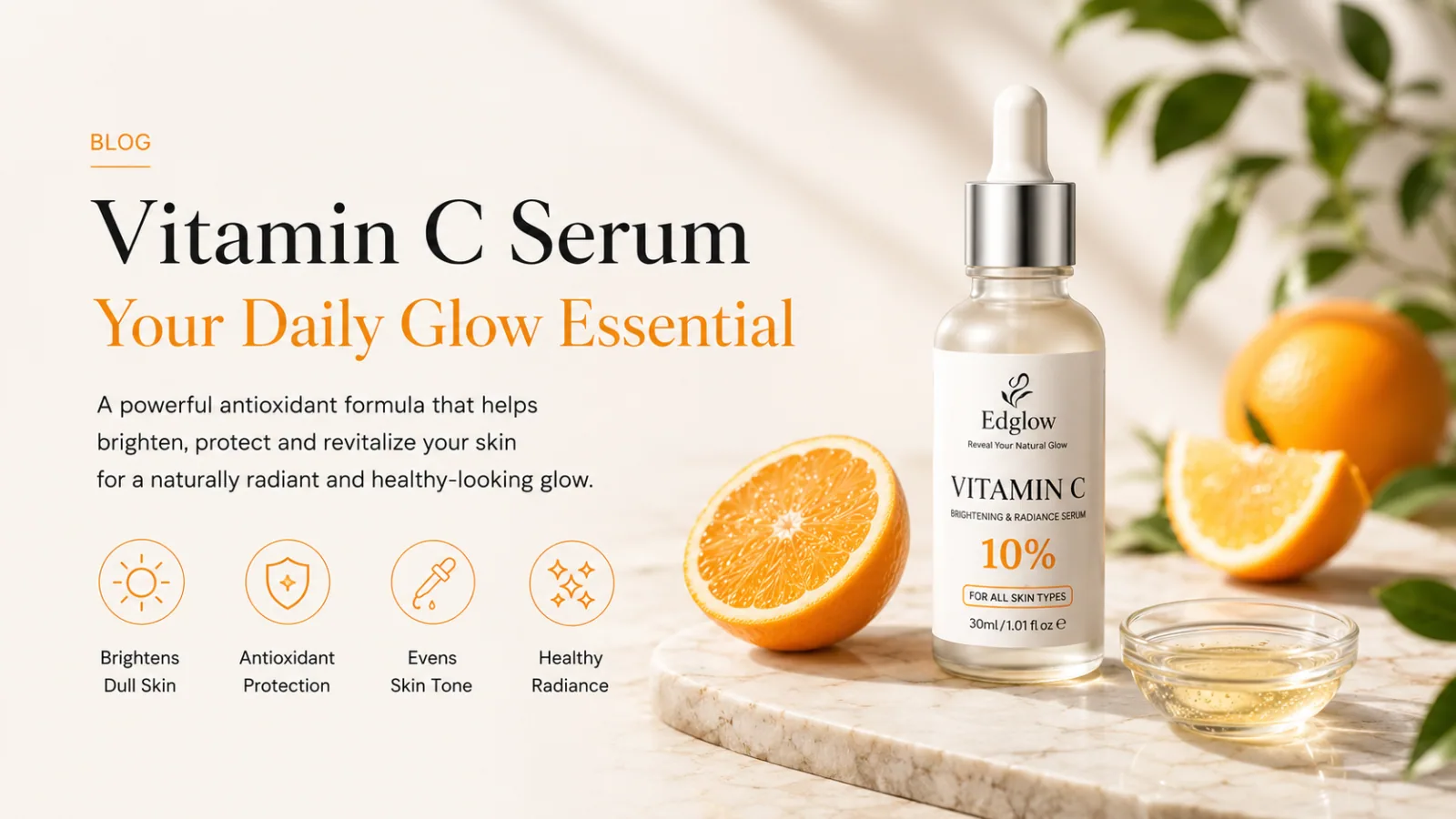
Few skincare ingredients have earned as much attention as Vitamin C. Walk through any beauty aisle in Karachi, Lahore or Islamabad, or scroll any skincare page online, and you will find a Vitamin C serum near the front of the shelf. There is a good reason for that: it is one of the most widely studied antioxidants in skincare, and it fits comfortably into almost any routine.
If your skin looks tired, uneven or a little dull by the end of the week, a Vitamin C serum is often the first product people reach for. This guide explains what it actually does, how to use it, when to apply it, and how to choose one that suits your skin — particularly if you are building a skincare routine in Pakistan, where sun exposure and heat are part of daily life.
What Is Vitamin C Serum?
A Vitamin C serum is a lightweight, fast-absorbing treatment applied after cleansing and before moisturiser. Serums are more concentrated than creams and are designed to deliver active ingredients efficiently, which is why they sit in the middle of a routine rather than at the end.
The active ingredient is Vitamin C, an antioxidant. In skincare it appears in several forms. Pure Vitamin C, listed as L-Ascorbic Acid, is the most researched and the most potent, but it is also the least stable and can oxidise when exposed to light and air. Gentler derivatives such as Sodium Ascorbyl Phosphate, Magnesium Ascorbyl Phosphate and Tetrahexyldecyl Ascorbate are more stable and tend to suit sensitive skin better, though they usually work more gradually.
This is also why packaging matters. A well-formulated Vitamin C serum is normally sold in an opaque or amber bottle with an airtight dropper or pump, which limits how much light and oxygen reach the formula. If a serum has turned deep yellow or brown, it has likely oxidised and is past its best.
What Are the Benefits of Vitamin C Serum?
Vitamin C is popular because it is versatile rather than because it does one dramatic thing. Used consistently, these are the areas where people most often notice a difference.
Helps Brighten Dull-Looking Skin
This is the benefit most people are after. Pollution, late nights and long days outdoors can leave skin looking flat and tired. Vitamin C helps skin look fresher and more luminous, which is why a Vitamin C serum for dull skin is often the first step people take towards a more radiant complexion.
Supports a More Even-Looking Skin Tone
Vitamin C can help reduce the look of dark spots and patchiness over time by influencing how melanin is produced in the skin. If your main concern is uneven skin tone or marks left behind after breakouts, this is where consistent use tends to pay off — though it works gradually rather than overnight.
Provides Antioxidant Protection
Skin is exposed to free radicals every day from sunlight, pollution and general environmental stress. As an antioxidant serum for skin, Vitamin C helps neutralise some of that daily damage. It does not replace sunscreen, but it complements it well, which is why the two are so often recommended together.
Supports Collagen
Vitamin C plays a role in the body’s natural collagen production. Collagen is what keeps skin looking firm and springy, and it declines naturally with age. Supporting it topically is one reason Vitamin C is considered a long-term ingredient rather than a quick fix.
Complements a Hydrating Skincare Routine
Vitamin C is not a hydrator on its own, but it pairs well with ingredients that are. Layering it under a hyaluronic acid moisturiser gives you brightness and moisture in the same routine, and helps the skin barrier stay comfortable while you use an active ingredient.
Vitamin C + Vitamin E + Ferulic Acid
You will often see Vitamin C paired with Vitamin E and Ferulic Acid on an ingredients list. This is a deliberate combination, not marketing.
Vitamin E is an antioxidant in its own right and works alongside Vitamin C rather than competing with it. Ferulic Acid helps stabilise the formula, which matters a great deal for an ingredient as delicate as Vitamin C. Together, the three tend to make a serum more stable and more effective than Vitamin C on its own.
If you are comparing Vitamin C serums in Pakistan, this trio on the label is usually a sign of a thoughtfully built formula.
How to Use Vitamin C Serum
Vitamin C is straightforward to use once you know where it sits in the order of application. Four steps are all it takes.
- Cleanse. Start with clean, dry skin. A mild, non-stripping cleanser is best, as harsh foaming washes can leave the skin barrier less comfortable before an active ingredient goes on.
- Apply the serum. Three to four drops are enough for the whole face. Press it gently into the skin rather than rubbing, and let it settle for a minute before the next step. A little also goes on the neck.
- Moisturise. Follow with a moisturiser to lock in hydration and keep the skin barrier settled. A gel-cream with hyaluronic acid works well in humid weather.
- Finish with sunscreen. In the morning this step is not optional. Broad-spectrum SPF protects the work your serum is doing, and Vitamin C and sunscreen are far more useful together than either is alone.
If you are new to Vitamin C, start with every other morning for the first two weeks and build up to daily use once your skin is comfortable.
Should You Use Vitamin C Serum in the Morning or at Night?
Morning is the usual recommendation. Vitamin C is an antioxidant, so applying it before the day begins means it is in place while your skin faces sunlight and pollution. Paired with sunscreen, it forms a sensible daytime defence.
That said, night-time use is not wrong. Some people prefer it, particularly if their morning routine is already long or if they use makeup and want fewer layers underneath. If you use retinol in the evening, it is generally easier to keep the two apart — Vitamin C in the morning, retinol at night — rather than layering them together.
The honest answer is that the best time is the one you will stick to.
What Percentage of Vitamin C Should You Choose?
Higher is not automatically better. Concentration should match your skin and your experience with active ingredients.
- 5–10% suits beginners and sensitive skin. Gentle, easy to tolerate, and still worthwhile.
- 10–15% is the everyday middle ground and where most well-formulated serums sit.
- 15–20% is for skin already used to Vitamin C. Above 20% there is little evidence of extra benefit, and irritation becomes more likely.
If you are unsure, start lower. A gentler serum used every day will do more for your skin than a strong one you abandon after a week.
Can Everyone Use Vitamin C Serum?
Most people can, including oily, dry, combination and normal skin types. It is one of the more universally tolerated actives in skincare.
A few sensible precautions apply. Patch test on the inner forearm before the first full application. If your skin is reactive or prone to redness, begin with a lower concentration or a gentler derivative. Introduce one new product at a time so you can tell what is working and what is not. Mild tingling on application can be normal; persistent stinging, burning or redness is not, and is a sign to stop.
If you are pregnant, nursing, using prescription skincare, or managing a skin condition, speak to a doctor or a qualified dermatologist before adding a new active to your routine.
Consistency Is Key
This is the part that gets skipped most often. Vitamin C is not an overnight ingredient. Most people need four to six weeks of daily use before they notice a meaningful difference, and longer for concerns like uneven tone or dark spots.
Using a serum for five days, seeing nothing and switching to something else is the most common reason people conclude Vitamin C does not work for them. Give it a full season before you judge it, store it away from heat and direct light, and replace it once it darkens.
The Bottom Line
A Vitamin C serum is one of the most practical additions you can make to a skincare routine. It supports brighter, more even-looking skin, offers antioxidant protection through the day, and sits easily alongside the cleanser, moisturiser and sunscreen you are probably already using.
Choose a concentration that suits your skin rather than the highest one available, apply it in the morning before sunscreen, and give it time. Skincare rewards patience far more than it rewards intensity.